

Home Buyer’s Guide
Buying a Home in Whitney, Texas
Eight steps, written out plainly, so you know what happens next and nothing arrives as a surprise.
Before you start
Buying here is not the same as buying in a city
Buying a home in Whitney usually means one of three different transactions wearing the same word. A house in town, a place on the water, and land. They run on different timelines, they carry different risks, and the questions worth asking are not the same.
We have been doing this here for fifteen years, and between us we have built houses and designed them. That is most of what you are paying us for: knowing which problems are cosmetic and which ones should change your offer.
The process
What happens, in order
No step here is a surprise to us. It should not be one to you either.

01
The first conversation
Before anything else we want to know what you are actually trying to do. Move up, move back, buy the weekend place you have been circling for years. Buying a home in Whitney can mean a house in town, a place on the water or forty acres with a well, and each one starts with different questions. We will talk through budget, timing and how you plan to use the place, and we will walk you through the written buyer agreement before we tour anything, so you know exactly what we do and how we are paid. That conversation shapes every recommendation that follows, and it costs you nothing.
02
Getting your financing straight
Talk to a lender before you fall for a house. In this market a seller will take a slightly lower offer from a buyer who is genuinely ready over a higher one that might not fund. A real pre-approval means a lender has looked at your income, assets and credit, not just quoted you a rate online. The loan has to fit the property, too. Lake homes, acreage and manufactured homes on land do not all qualify for the same programs, and some rural addresses around the lake may fit USDA financing. We will point you at lenders who actually close in Hill and Bosque counties.

03
Seeing what is out there
You will get everything that matches, not just our listings. We set up your search across the MLS for Whitney, White Bluff, Hillsboro and the towns around the lake. We will also tell you which ones are not worth the drive, which is the part most people find more useful. Photos flatter. A listing that says waterfront may sit behind a strip of Corps of Engineers land, and five acres can mean five usable acres or two and a ravine. If you are moving from out of the area, we can walk a house for you on video so you only make the trip for the ones that deserve it.
Ready to look
Search every listing
Everything on the MLS across Whitney, White Bluff and the surrounding towns, updated through the day.
04
Walking the house properly
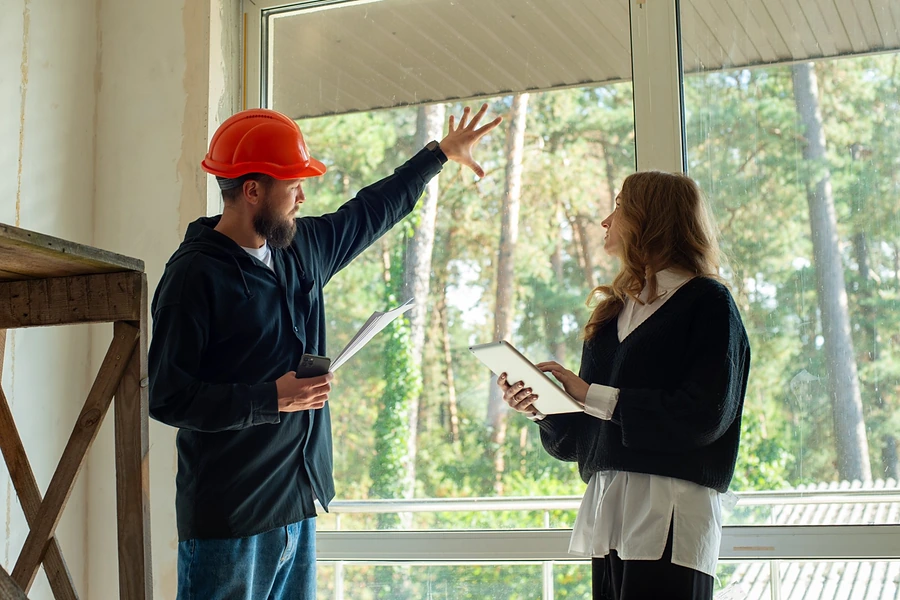
This is where Michael’s construction background earns its keep. Foundation, roof age, what the crawlspace is telling you, whether that crack matters. Central Texas clay moves with the wet and dry seasons, so we look at doors that stick, gaps at the trim and how the yard drains. On older lake houses we look hard at what was added later and whether it was done right. Joanna reads the other half: what the space could be, and which changes pay you back when you sell.
05
Making the offer
Price is one term out of many. Closing timeline, what conveys, who pays for what, how the option period is set. In Texas your offer goes on the standard TREC contract, with addenda for financing and anything else the property calls for. We build the offer around what the seller actually wants, which is usually not simply the biggest number. Sometimes that is a quick close. Sometimes it is a short leaseback so they only move once. We also write in the protections buying a home in Whitney tends to need: time for a survey, a look at the septic and well, and a clear answer on what any dock permit covers.
06
Option period and inspections
You have a short window to learn everything you can and walk away if you need to. In Texas you pay the seller a small option fee for that right, and the number of days is set in your contract, so we negotiate it with your inspections in mind. We line up the inspector, read the report with you, and separate the items worth negotiating from the ones that are just an old house being an old house. On rural property we add the inspections a city house never needs, like the septic system and the well water. Then we decide together whether to ask for repairs, a credit or a lower price, before the window closes.
07
Appraisal, survey and title
The quiet stretch where deals actually die. The lender orders the appraisal, the title company searches the property’s history, and a survey confirms where the land actually starts and stops. Lake and acreage properties bring their own questions here: survey lines, easements, septic, what the corps line means for what you can build. If the land carries an agricultural valuation, we find out whether it will keep it after you buy. We read the title commitment and the survey with you, because this is the last easy moment to fix a problem.
08
Closing and keys
We sit at the table with you, read the numbers before you sign them, and hand you the keys. A few days ahead you will get a closing disclosure to check against your loan estimate. If the title company sends wiring instructions, confirm them by calling a number you already have, never one from an email. After closing, file your homestead exemption with the county appraisal district. Then we stay in touch, because you will want a plumber eventually and we know one.
Hill · McLennan · Johnson counties
Where buyers are looking
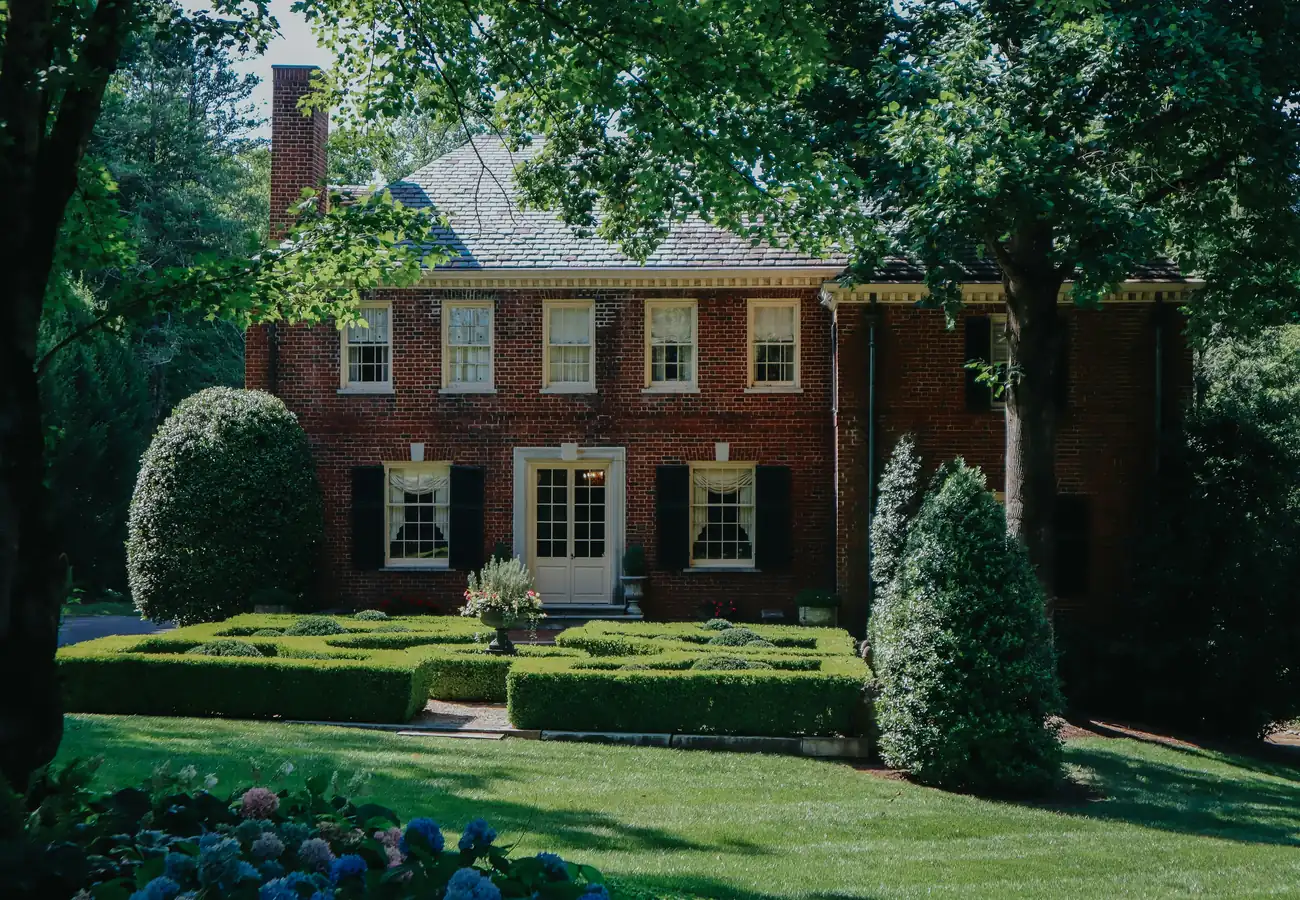
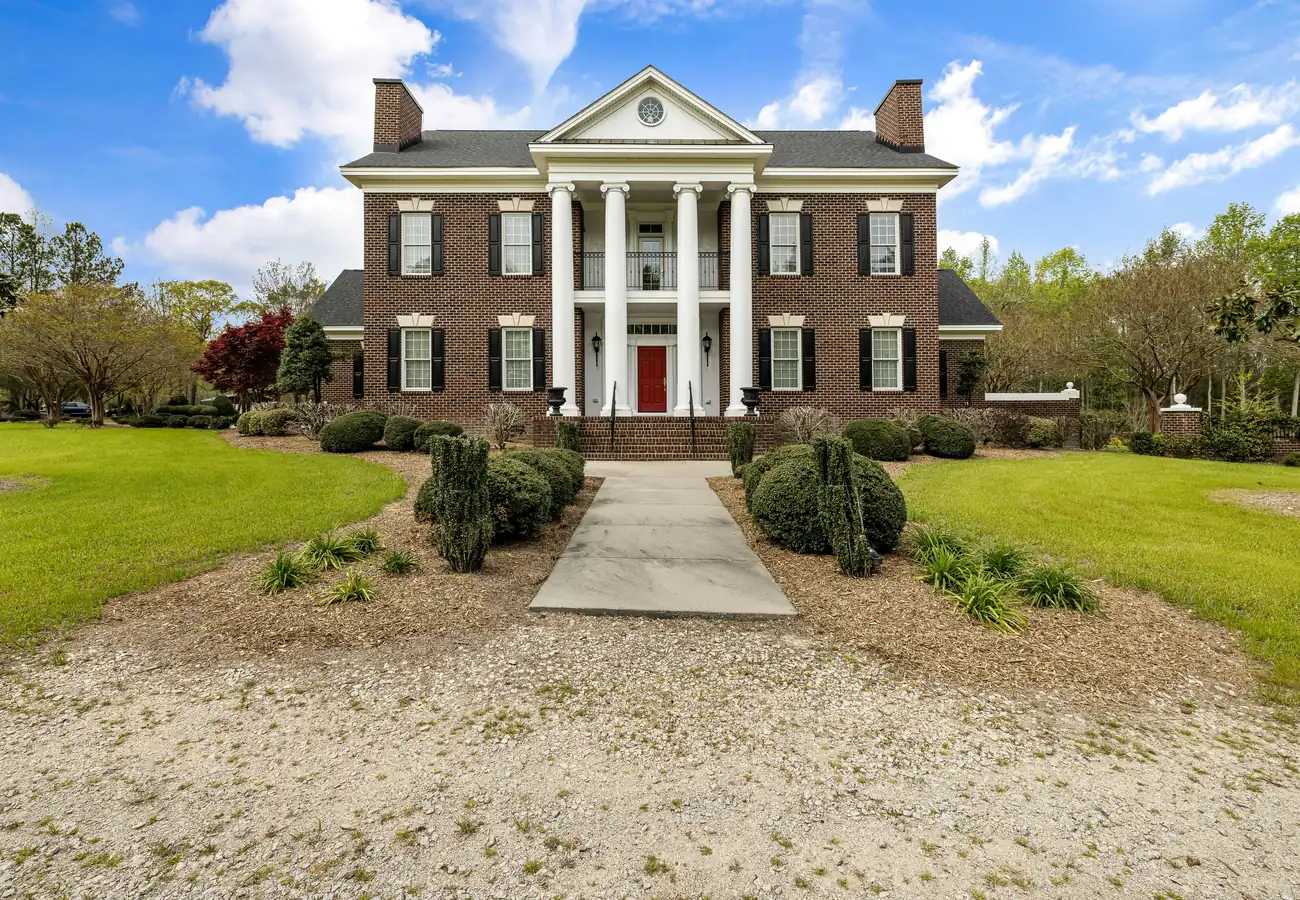
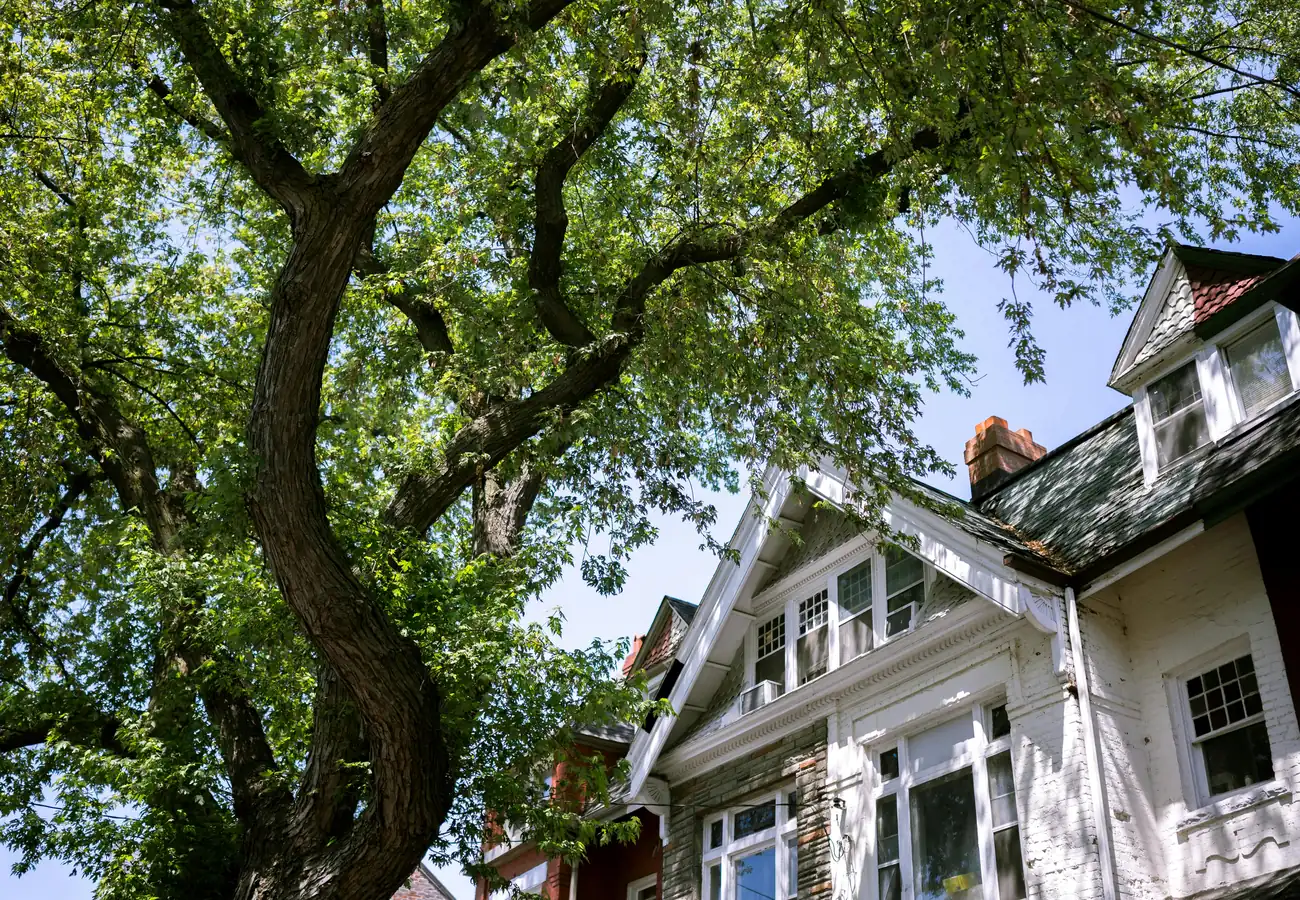
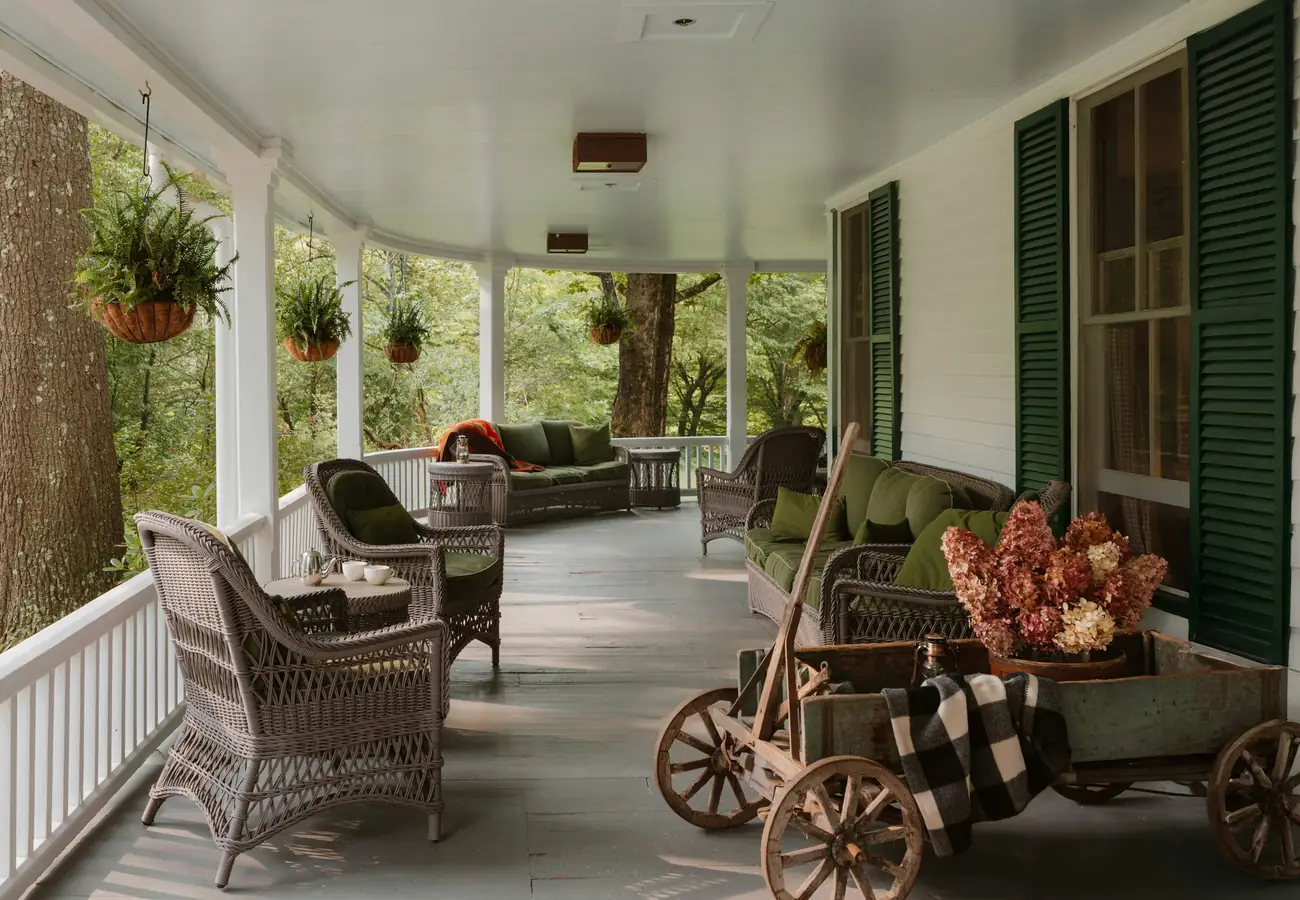
Selling too?
Most people here are doing both at once
Buying and selling in the same season is normal around Whitney, and the two have to be sequenced together or one of them goes badly. If you have a house to sell, start there.
- What your current place is realistically worth
- How to line the two closings up without moving twice
- When it makes sense to sell first and rent for a season
Common questions
Buying here, answered
How much do I need for a down payment around here?
It depends entirely on the loan. Conventional can start near three percent, FHA around three and a half, and VA and USDA can reach zero, and a good part of Hill and Bosque counties is USDA eligible. Talk to a lender before you assume you need twenty percent.
Do I pay you as a buyer?
We will walk you through exactly how our compensation works, in writing, before you tour anything. Since the 2024 rule changes that conversation happens up front rather than at closing, which we think is an improvement.
How long does buying take?
From an accepted offer to keys, usually thirty to forty five days with financing. Cash can close in under two weeks. Finding the right house is the part with no schedule, and we would rather you take longer there than hurry into the wrong one.
What is different about buying on the lake?
Lake Whitney is a Corps of Engineers lake, so what you can build, how a dock is permitted, and where your usable land actually ends are all questions a normal inspection will not answer. We check them before you are emotionally committed.
What about buying land or acreage?
Different transaction entirely. Water rights, mineral rights, fencing, legal access and septic all matter more than square footage. Our Farm and Ranch page covers it properly.
Can you help if I am moving from out of the area?
Most of our buyers are. We will video walk anything you cannot see in person and give you the honest read, including the things a listing photo is carefully not showing you.
Come look at a few with us
Spend an afternoon with us and you will know a great deal more than you do now. Deciding can wait.